
Residential roofing in South Florida is not just about keeping rain out. Between year-round sun exposure, heavy storms, and hurricane-force winds, your roof plays a major role in protecting your home and preserving its long-term value.
If you live in Fort Lauderdale, roofing decisions often affect your safety, coverage, and peace of mind long after the work is done.
Tiger Team Roofing is a licensed residential roofing contractor serving Fort Lauderdale and surrounding South Florida communities. Our team has over 15 years of experience working with residential roofing systems, giving homeowners clear guidance rooted in local building codes, Florida weather conditions, and real-world insurance considerations.
Whether your roof needs a quick patch-up after a storm or you’re planning for an upgrade, our focus stays on durability, compliance, and doing the work right the first time.
"*" indicates required fields
Living in South Florida means your roof faces challenges that many parts of the country don’t. Constant UV exposure breaks materials down faster, while salt air near the coast accelerates corrosion. Heavy rain, high humidity, and hurricane winds place ongoing stress on roof systems, fasteners, and underlayment.
Residential roofing in Fort Lauderdale must also comply with Florida Building Code requirements and local permitting standards. These codes are designed to improve storm resistance and reduce wind-related failures, while also supporting long-term insurability during inspections and policy renewals.
Tiger Team Roofing designs and installs residential roofing systems with these realities in mind. Every project considers wind resistance, material performance, fastening methods, and underlayment selection to ensure your roof holds up against Florida’s climate.
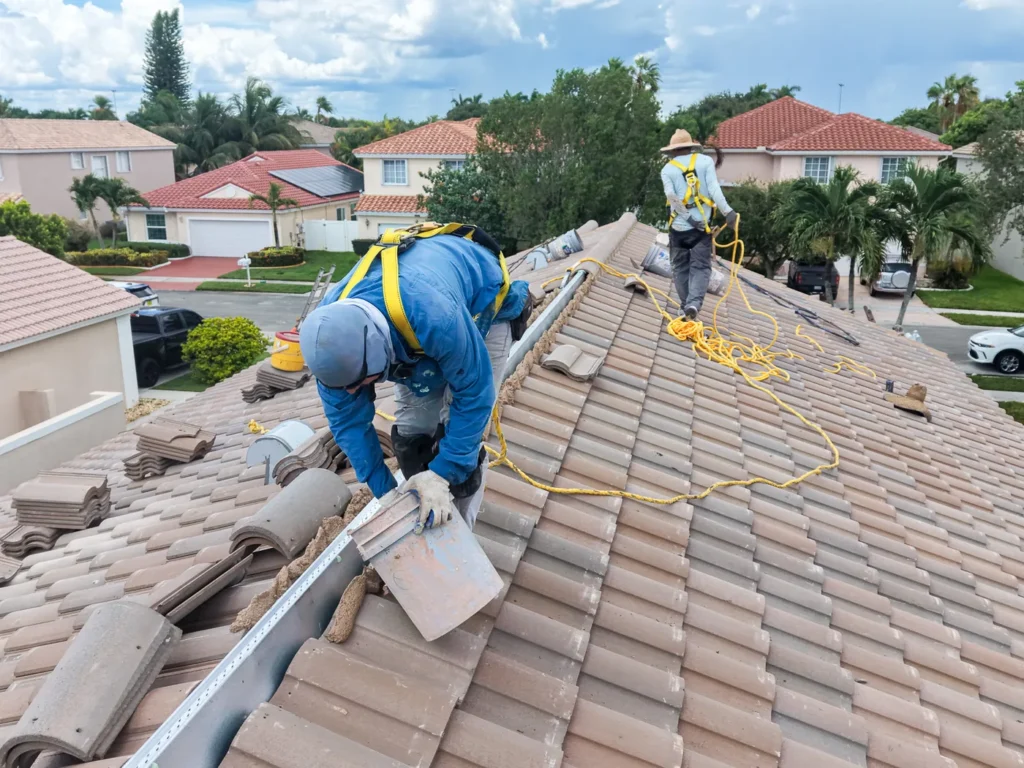
Roof damage in South Florida often starts small and spreads quickly. Lifted shingles, displaced tiles, or failing flashing can allow moisture into the roof system long before you notice a leak inside your home. Once water damage begins, it can affect decking, insulation, and interior finishes if left unaddressed.
Common residential roof repair issues we resolve include:
Florida weather can speed up wear faster than most people expect, which makes clear, honest evaluations especially important. We document what we see and explain whether a focused repair will solve the problem or if recurring issues suggest something more.
When repairs make sense, we use materials and methods to extend the life of the surrounding roof system. If repairs won’t cut it, we walk you through the roof replacement decision process so you can determine what comes next without any pressure.
At some point, repeat repairs stop being the practical option. Roof age, material type, and insurance requirements often matter more than visible damage alone when deciding to upgrade.
Typical lifespan ranges in South Florida include:
Tile roofs deserve special attention. While tiles may appear intact, failures often occur beneath them as underlayment deteriorates unseen. This hidden breakdown is a common reason tile roofs require replacement even when surface materials still look serviceable.
Residential roof replacement decisions are also tied closely to insurance eligibility. Many carriers base renewals on roof age, material type, and documented condition rather than active leaks. Replacing an aging roof can stabilize coverage options, support wind mitigation credits, and help control long-term ownership costs.
For homeowners weighing these factors, Tiger Team Roofing provides documentation and guidance that supports informed decision-making.
Residential roof installation varies depending on whether you are building a new home or replacing an existing roof.
Permits, inspections, and material choices all affect how a roof performs over time. In Fort Lauderdale, proper underlayment and fastening are critical because of the region’s high winds. Our residential roof installation process meets local requirements while building a system designed for South Florida’s climate.
Choosing the right roofing material matters in South Florida, where heat, wind, and moisture place constant stress on residential roofing systems. Each material offers different advantages depending on budget, structure, and long-term goals. We help homeowners weigh those factors so the roof fits the home, not just the trend.
Asphalt shingles are a common choice for Fort Lauderdale homes because they balance cost and reliability. They typically have a lower upfront cost than tile or metal, making them a practical option if you are managing both budget and performance.
In South Florida, architectural shingles usually perform better than traditional three-tab shingles. Three-tab shingles tend to break down faster under intense heat and UV exposure, while architectural shingles offer improved durability and higher wind ratings. Added wind resistance can make a noticeable difference during severe storms.
Even with proper installation, asphalt shingles often age faster in Florida’s climate. Heat and sun exposure shorten their lifespan, which is why selecting the right shingles and installing them correctly matters in the long term.
Tile roofing offers long-term performance and a distinctive look, but it also requires careful planning. Tile systems are much heavier than shingles or metal, so your home’s structure needs to be evaluated before installation.
While tiles themselves can last decades, many tile roofs fail beneath the surface. Underlayment often wears out long before the tiles show visible damage, which means leaks can develop even when everything looks intact.
Regular inspections and preventative roof maintenance help you understand the true condition of a tile roof and reduce the risk of unexpected repairs caused by hidden underlayment failure.
Metal roofing is known for durability and strong wind resistance, making it a good fit for many South Florida homes. Standing seam systems typically last longer than exposed fastener systems because the fasteners are protected from constant exposure to the elements. Exposed fastener systems can still perform well, typically with routine upkeep.
Metal roofs also reflect heat more effectively than many other materials, which can help improve energy efficiency in warm climates. With proper installation, a metal roof can deliver long-lasting performance and reliable protection during storms.
If you notice any of these signs, reach out to Tiger Team Roofing right away for preventative roof maintenance service.
A well-built roof starts with a straightforward process. Our approach focuses on accuracy, compliance, and long-term performance, while keeping you informed at every step.
We start with a hands-on inspection, looking at your roofing materials, structure, and any visible trouble spots, while factoring in the age of the home and its exposure to South Florida weather.
What we find is clearly documented, so you can see what is happening, where issues are developing, and why they matter.
You get a straightforward explanation of your options based on the roof’s condition, without pressure or guesswork.
We walk through roofing material options with climate, budget, and long-term goals in mind to help you find the right fit for your home.
Permits and inspections are handled in accordance with the Florida Building Code and local requirements, keeping the project compliant at every step.
Your roof is installed using proper underlayment, fastening, and detailing to support durability and storm resistance.
The job wraps up with a final walkthrough and a clean job site, so you know everything was completed properly.
Choosing a residential roofing company is not a decision most homeowners make often, which is why clarity and trust matter from the start.
When you work with Tiger Team Roofing, you are working with a team that understands South Florida homes, local building codes, and the real conditions roofs face year-round.
We don’t want you to rush any of your vital roofing decisions. We provide you with transparent information so you can feel confident in taking the next step with your roof.
If you are comparing roofing contractors and wondering how to choose the right one, a few simple checks can help you feel more confident in your choice.
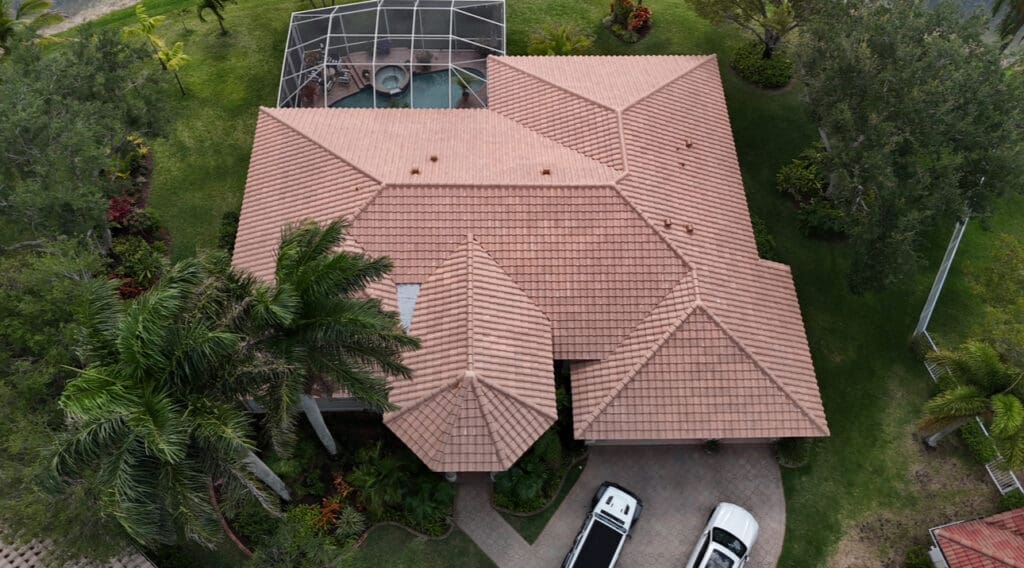
Roof problems are not always obvious at first. Many issues develop gradually and become more expensive if they are ignored for too long.
Common signs that your roof may need professional attention include:
Water stains on ceilings or walls
Missing, lifted, or cracked shingles or tiles
Sagging or uneven rooflines
Excessive granule loss in gutters or around the home
Repairs that keep repeating without lasting results
Insurance notices related to roof age or inspection concerns
If you notice any of these signs, an inspection can help determine whether a repair will address the issue or if replacement is the safer long-term option. Get your system evaluated early to catch small problems before they snowball into bigger, more expensive issues.
EXCELLENT Based on 300 reviews
 Posted on Google
 Kristoff NabereznyI would like to thank the entire Tiger Roofing Team, especially Ray and Gigi, for their utmost professionalism and superb quality work on my roof replacement project. You should consider hiring Tiger Roofing for the following reasons: - Working with highly professional team - Delivering clean, quality work - Amazing advisor/project manager ( Ray ) - Great pricing - Keeping deadlines and delivering job as promised - Seamless construction process throughout all its stages - Job delivered as promised Overall, Fantastic Job! Thank YouPosted on Google
 Karina BuchbinderTheir professionalism and attentiveness is outstanding. Gigi, Stephanie and everyone involved made sure that all the details were taken care of and that the schedule was tightly kept. The whole experience with Tiger Team was excellent and we are very happy with the results.Posted on Google
 Ivette MillsTiger Team Roofing did an excellent job on our roof. From the very beginning throughout the whole installation process, the team worked with a lot of care and diligence, taking steps to protect our home before, during and after work including clean up and magnets sweeps to collect nails. Thank you Ray, our manager coordinator for such a great job and to Gigi Calderón for the continuos communication that made the whole process so smooth.Posted on Google
 Jay DennisWhat a pleasure to worth with Tiger Team! The entire team Gary, Christine and Mariano were great to work with. Project was completed in one day as promised. Special shout out to Gigi who went above and beyond. Kudos to the whole team.Posted on Google
 Jan WithersFrom estimate to completion this company did not disappoint. Andy did everything he said the company would do with percision and Gigi's administration was perfect. Great roofing company and I will definitely recommend them to neighbors.Posted on Google
 Anita BilligRay was great from start to finish and beyond. We had some solar panel issues, and Ray was able to connect us with a great solar expert . We love the new sleek look. We even updated our old shed. Every worker was polite and diligent. Not a scrap or screw left after project. I want to thank the entire Tiger Team.Posted on Google
 R WilliamsI recently had my home's roof replaced by Tiger Team Roofing, and I couldn't be more impressed with the entire experience. The quality of their work speaks for itself--the roof looks amazing. From start to finish, Ray Clarke was very professional and communicated clearly with me throughout the entire process. The team arrived on time, paid attention to every detail, did excellent workmanship, and treated my property with the utmost respect.Overall, they worked diligently and finished on time. Cleanup was thorough, leaving my yard spotless. They even used magnets to ensure that my dog was able to go in the backyard without any concern for him finding debris or nails. Even my neighbors complimented on what they saw and are looking into using them to replace their roof. It is rare to find a company that genuinely cares, truly delivered a well-done job and provides such top notch customer service. Gigi and Stephanie are the best. I highly recommend Tiger Team Roofing.Posted on Google
 Yudith CarrasqueroI had an excellent experience with this roofing company. Brian was incredibly helpful throughout the entire process—professional, attentive, and always willing to answer every question. The roof work was completed on time and with great quality. What I appreciated the most is that Brian went above and beyond by recommending a stucco repair specialist and a painting contractor for the rest of the home improvements I needed. Both recommendations were spot-on and made the whole project run much smoother. Great communication, reliable workmanship, and outstanding customer support. Highly recommended.Posted on Google
 Stan YanowitzTiger Team Roofing did an outstanding job in replacing our roof. Brian and Gigi were constantly giving updates and facilitating the permit process flawlessly. I would certainly recommend them.Posted on Google
 Pamela GerberIf you're looking for any roof repair or replacement, I highly recommend Tiger Team Roofing. I needed to have my roof replaced and my experience from start to finish was a high quality experience. Both of the key contacts (Brian Botting, Project Manager) and (Gigi Calerdon, Office Manager) were amazing to work with. They each provided me with detailed expectations, guidance and communication throughout the process. The crews were equally professional ensuring that my property was protected from start to finish. The cost was very competitive and frankly, they exceeded my expectations. Replacing a roof can be a daunting process and this team made it a smooth and efficient experience. It's rare to find this level of customer care and quality in South Florida!
Roof lifespan in South Florida depends on the material and how well the system was installed.
Asphalt shingle roofs often last between 15 and 25 years, tile roofs typically need attention after 20 to 25 years, and metal roofing systems tend to last several decades. Regular inspections help you understand where your roof stands, especially as it approaches the later years of its expected lifespan.
Isolated damage from wind or storms can often be repaired if the rest of your roof is still in good shape. Replacement becomes more likely when issues keep recurring, the roof is nearing the end of its lifespan, or insurance concerns are tied to the roof’s age or condition.
An extensive inspection helps clarify whether a repair can completely fix the problem or if upgrading to a replacement is a better fit.
Unfortunately, there is no one-size-fits-all approach to roofing materials. Factors like climate, budget, structure, and long-term plans all play a role. Asphalt shingles are often chosen for affordability, tile for longevity and appearance, and metal for durability and wind resistance.
The right choice depends on how you plan to use and maintain your home, not just how the roof looks on day one.
Most residential roofing projects take anywhere from a few days to a couple of weeks, depending on the material and scope of work. Tile and metal systems typically take longer than asphalt shingles. Permits, inspections, and weather conditions can also affect timelines.
You should expect clear communication about scheduling before the project begins so there are no surprises along the way.
In many cases, yes. Insurance carriers often consider roof age, material type, and documented condition when reviewing policies. Replacing an older roof can help with renewals and may support wind mitigation credits, depending on the system and installation details.
Every policy is different, which is why proper documentation and installation matter.
At a minimum, residential roofs should be inspected once a year. Additional inspections after major storms can help catch issues early, before they become larger repairs. Regular inspections also provide documentation that can be helpful for insurance purposes.
Look for proper licensing and insurance, clear communication, and local experience. Avoid roofing contractors who rush decisions, knock on doors after storms, or ask for large deposits up front. A reliable roofing contractor takes time to inspect the roof, explain findings, and provide written information you can review at your own pace.
Fort Lauderdale is our home base, and much of our work takes place in the surrounding South Florida communities where homes face the same heat, storms, and insurance requirements. Because we spend our time working on roofs in this region, we are familiar with the permitting process, local construction styles, and the challenges roofs face year after year. Our local familiarity helps us give guidance that fits the area rather than offering one-size-fits-all recommendations.
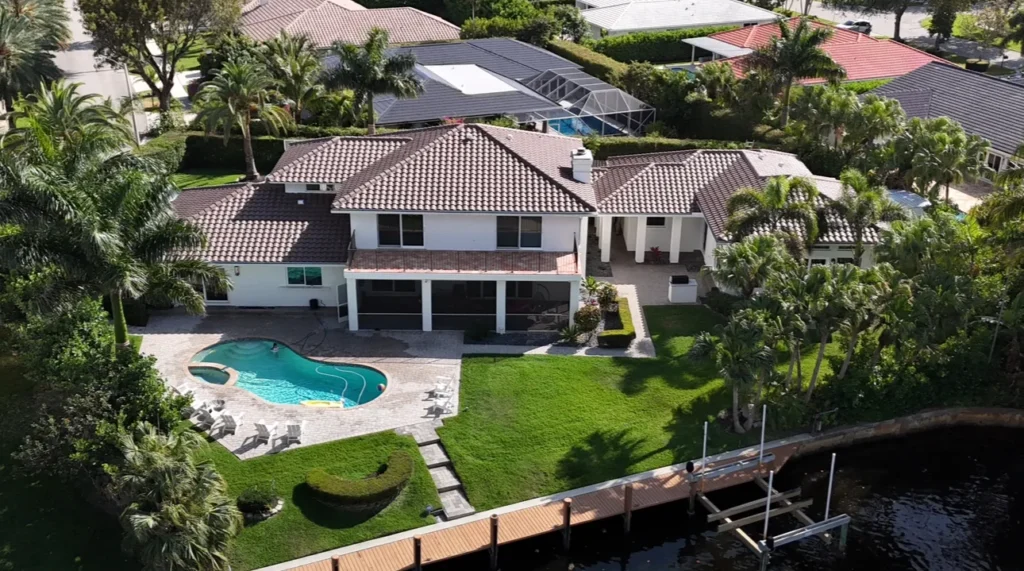
If you have questions about your roof or just want a complete picture of its condition, an inspection can provide clarity. It gives you a chance to understand what is in good shape, what may need attention, and what your options look like moving forward.
At Tiger Team Roofing, we handle residential roofing with care, clear communication, and respect for your home. Whether the next step is a simple repair or a longer-term plan, the goal is to give you information you can trust and all the time you need to decide the best step for you and your roofing.
For all things roofing, our experts are ready whenever you give us a ring. Call Tiger Team to inspect your system today and keep residential roofing protected all year long.